Area guide
You are sharing this beach.
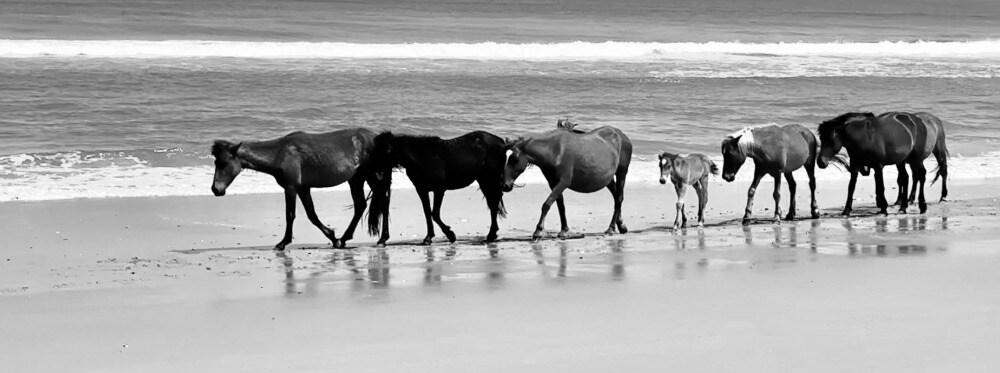
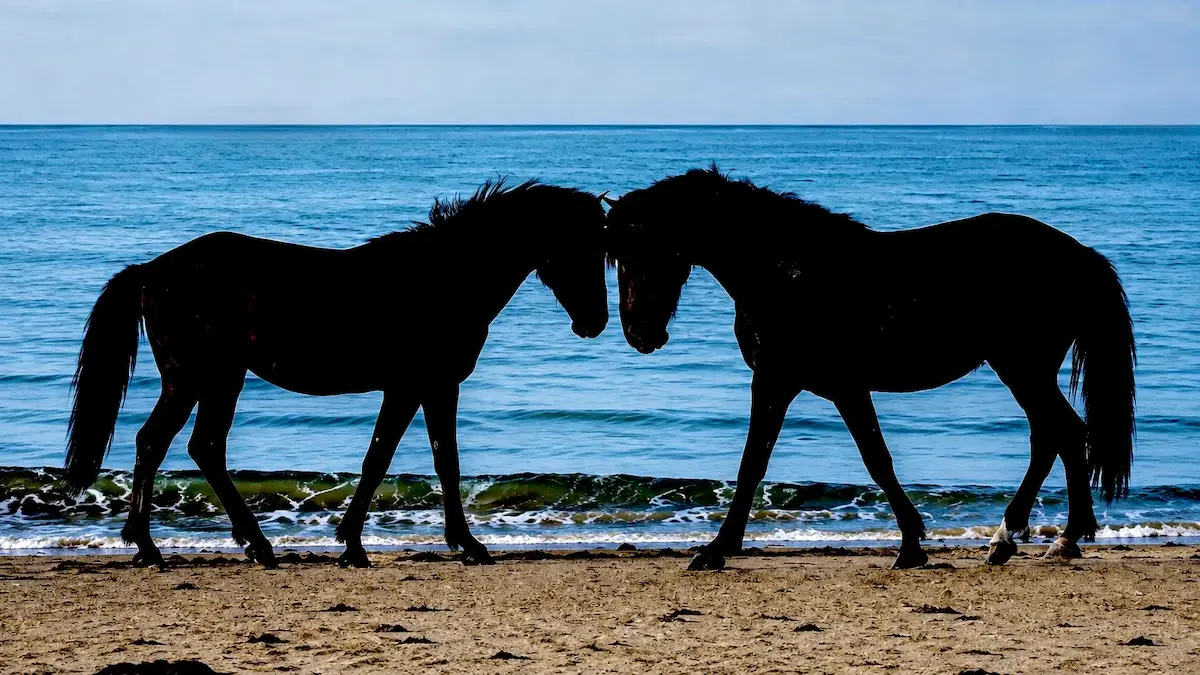
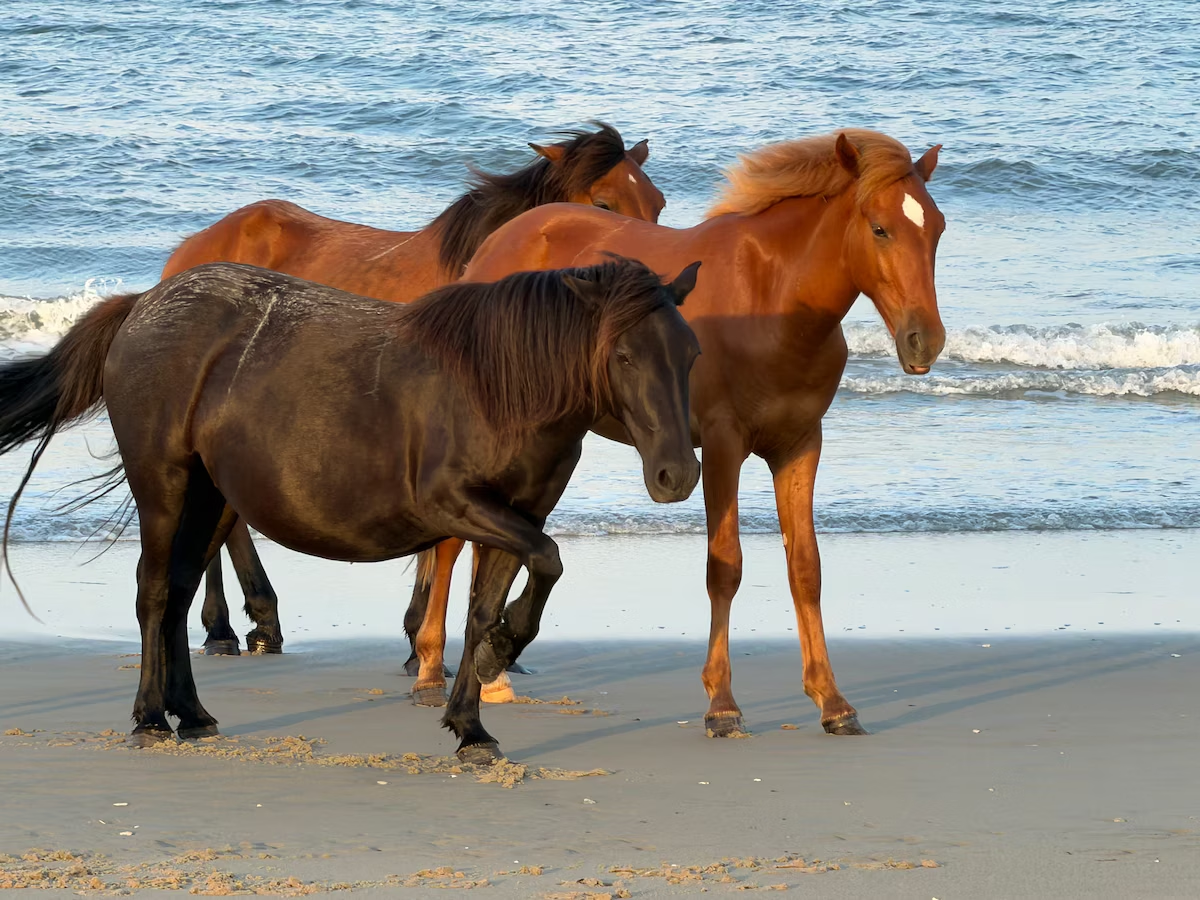
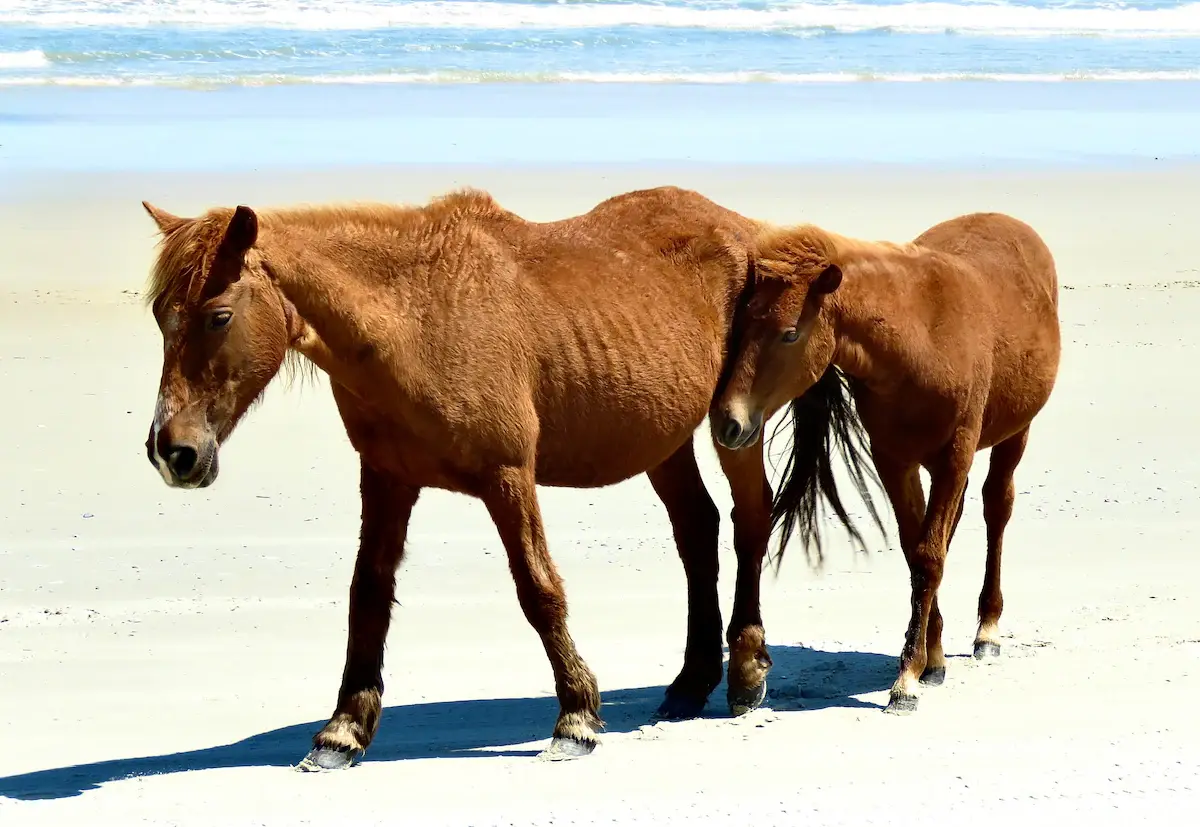
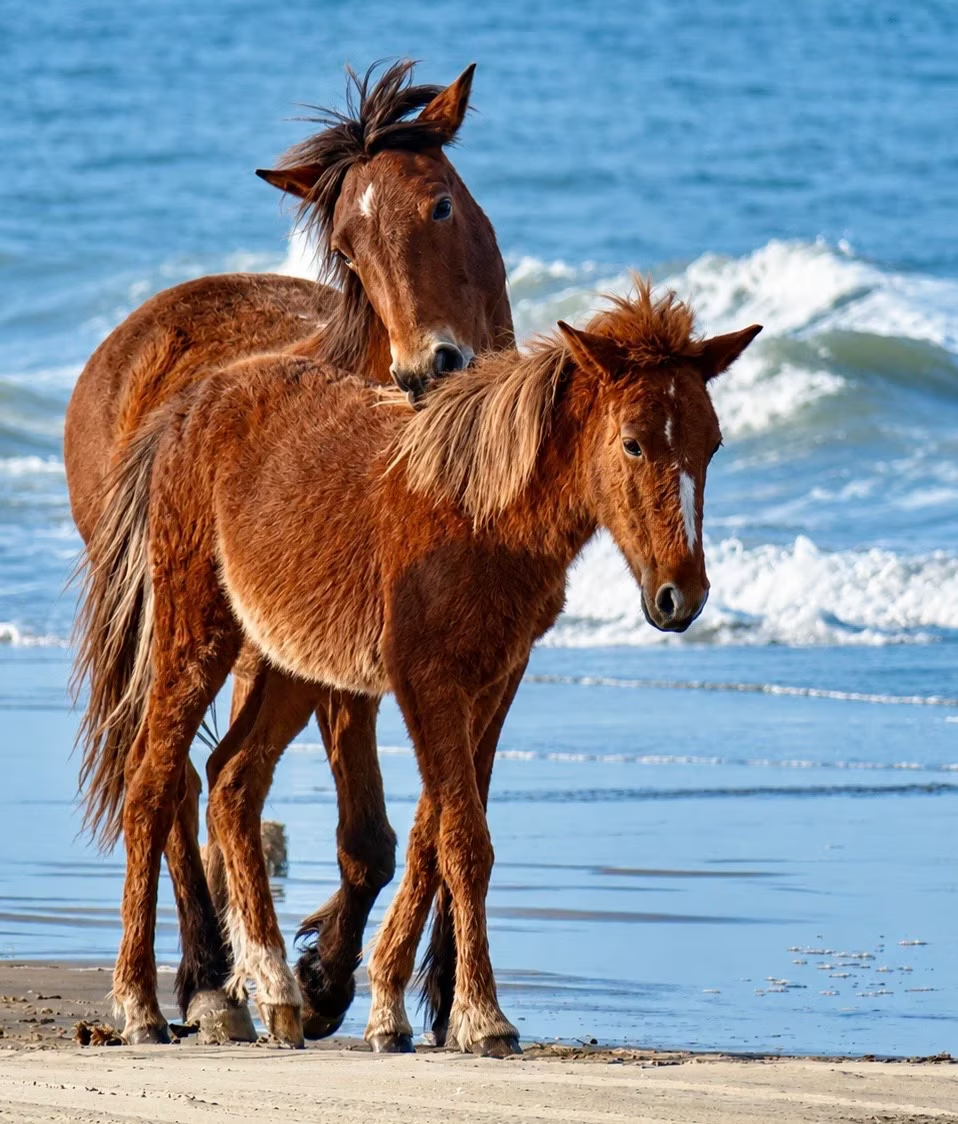
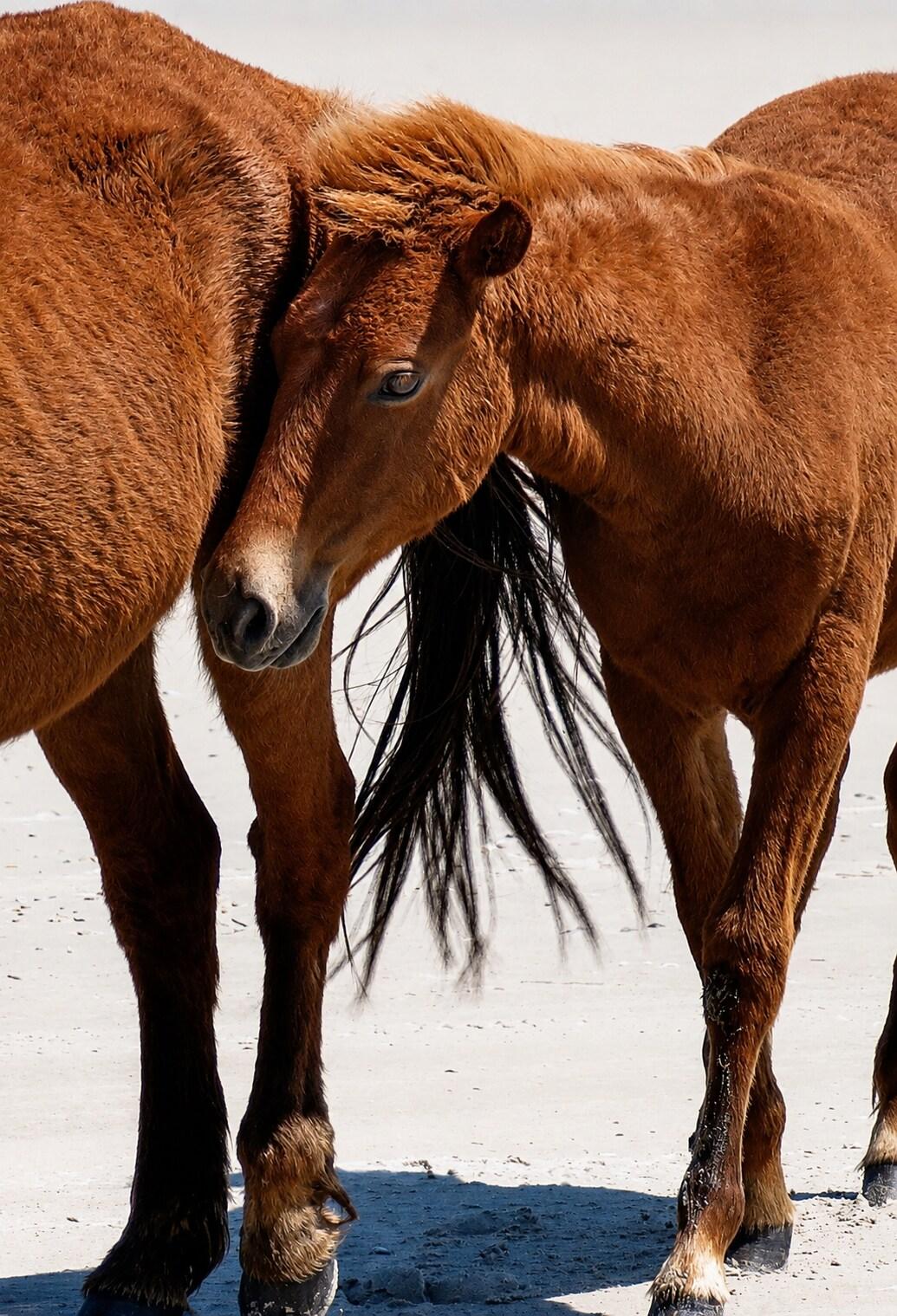
About a hundred wild Spanish mustangs live on the sand north of Corolla. They were here first, and they have right of way.
Where you are
Carova is not a resort. It is the end of the road.
North of Corolla the pavement simply stops. From there to the Virginia line there are no paved roads, no shops, no restaurants and no street lights — just sand tracks running between the dunes and the sound, and a few hundred houses scattered among them.
You get here by driving up the beach. That puts most people off, which is exactly why the ones who make the trip keep coming back. The beach in front of the houses never fills up, because almost nobody can reach it.
It also means the horses have somewhere to be. The herd moves freely across the whole strip, and on most days they will walk past the house at some point.
Drive onto the sand
No hauling chairs and coolers over a dune. Load the car, drive straight onto the beach, and set up for the day.
Wild horses
The Corolla herd roams this beach freely. People book tours to see them. Here they wander past the front door.
Sand roads only
There is no pavement north of Corolla. That is exactly why it stays quiet, and exactly why you need a 4x4.
Three rows from the ocean
Close enough for the view and the sound, far enough back to be sheltered. A five-minute walk to the water.
The herd
Spanish mustangs, four hundred years in.
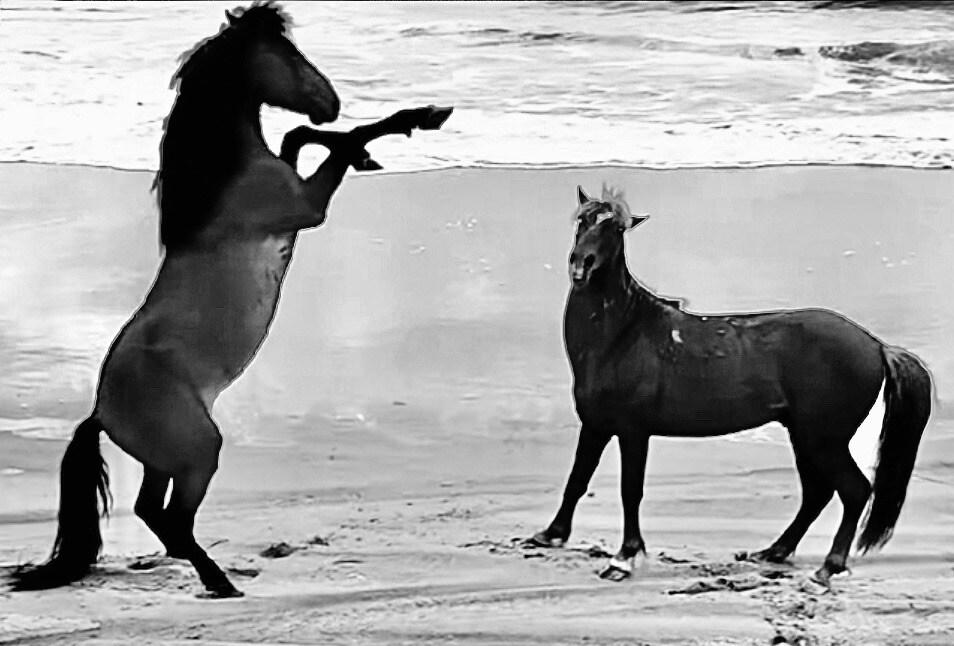
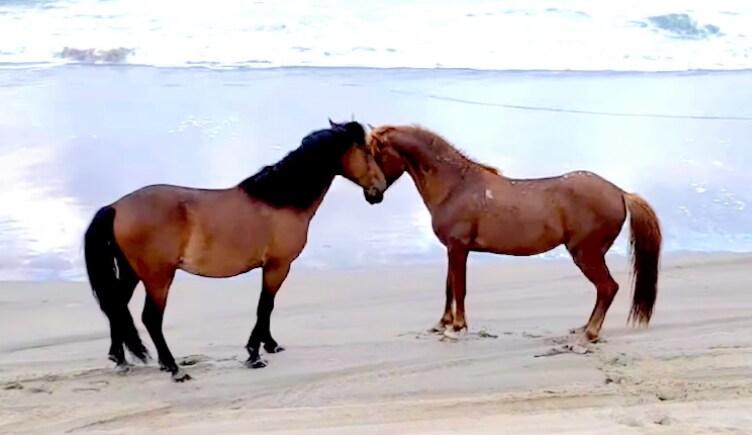
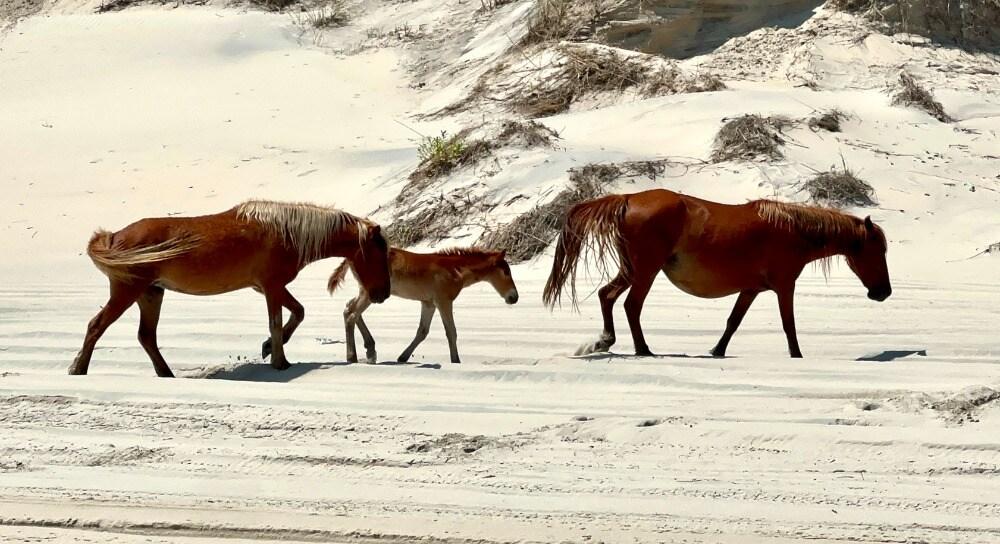
The Corolla herd is descended from Spanish horses put ashore in the sixteenth century. Around a hundred remain, living wild between Corolla and the Virginia state line, watched over by the Corolla Wild Horse Fund.
The rules are law, not etiquette
Stay 50 feet back
Currituck County law makes it an offence to lure, attract or entice a wild horse within 50 feet of a person. That is about four car lengths. Use a zoom lens, not your feet.
Never feed them
Their stomachs cannot handle apples, carrots or anything else you brought. Horses have died from it. Feeding is illegal here.
Give way on the sand
They have right of way on the beach and on the roads. Stop, wait, let them pass. Do not drive around a horse.
Never come between a mare and her foal
It is the one thing guaranteed to make a calm horse dangerous. If a group has drifted apart across your path, wait rather than walk through the gap.
If you find an injured or distressed horse, call the Corolla Wild Horse Fund rather than approaching it. They respond year round.
Getting here
How to drive to a house with no road to it
This is the part everyone worries about. It is genuinely straightforward once you know the six things below, and we send full directions before every stay.
01
You need a 4x4. Genuinely.
There is no pavement north of Corolla. Every road is sand, some of it soft and deep. All-wheel drive is not the same thing, and a rental agreement that forbids beach driving will not be forgiven by a tow bill.
02
Air down your tires
Drop to roughly 20 psi before you leave the pavement. It is the difference between floating over soft sand and digging into it. Air back up on the way out.
03
Check the tide chart
You drive up the beach itself to get here. At high tide the drivable strip narrows, and at spring high tides it can close in places. Plan your arrival around low tide if you can.
04
Allow 25 to 30 minutes on the sand
That is what guests report for the drive up the beach once you leave the paved road. It is part of the holiday, not a chore — but do not plan to arrive in the dark on your first visit.
05
Use the ramp at mile marker 20
Guests tell us the dune crossing at mile marker 20 (Anemone Lane) is the smoothest way on and off the beach.
06
Bring what you need
There are no shops, no restaurants and no petrol north of Corolla. Do a full grocery run before you cross the ramp.
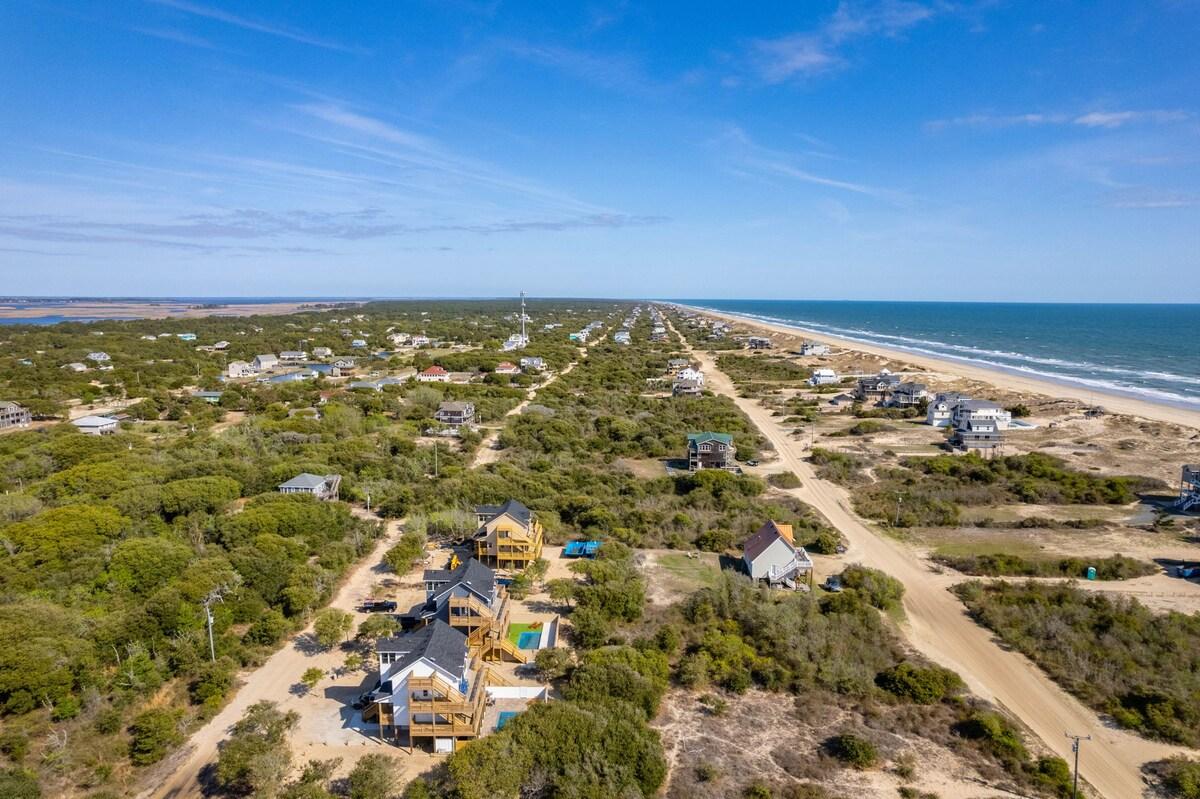
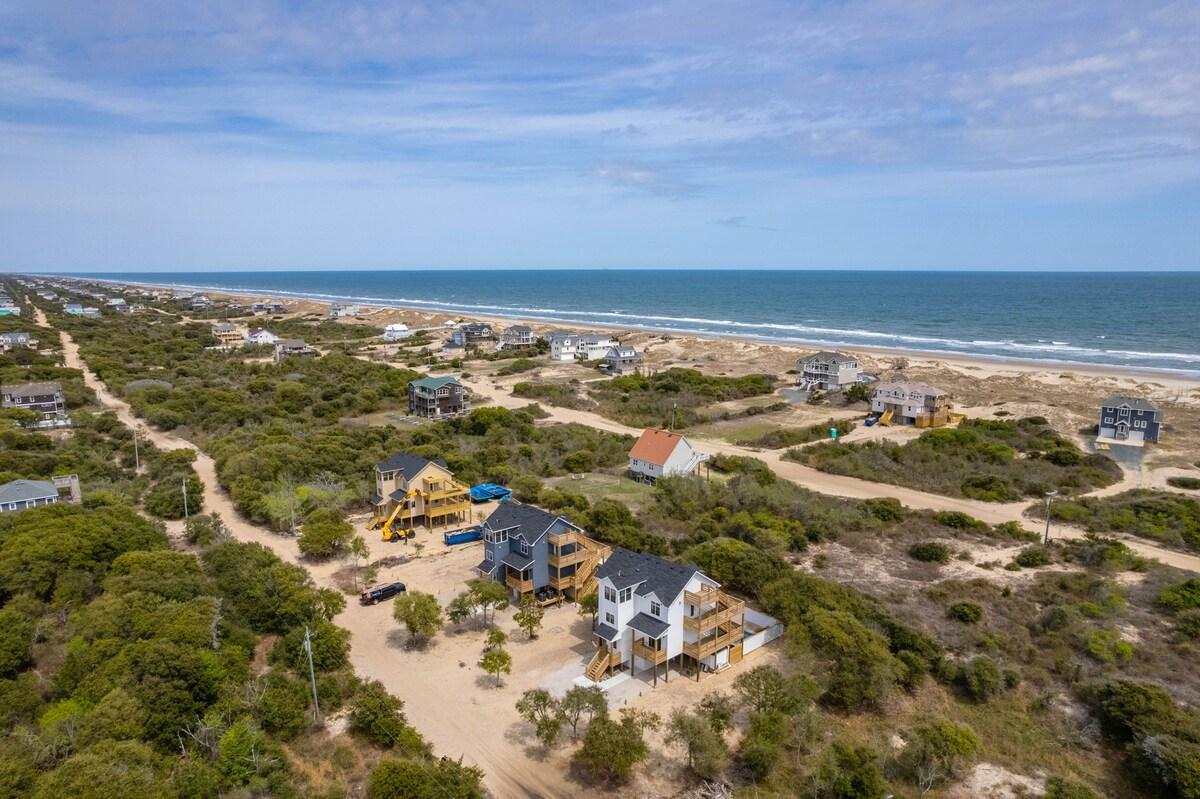
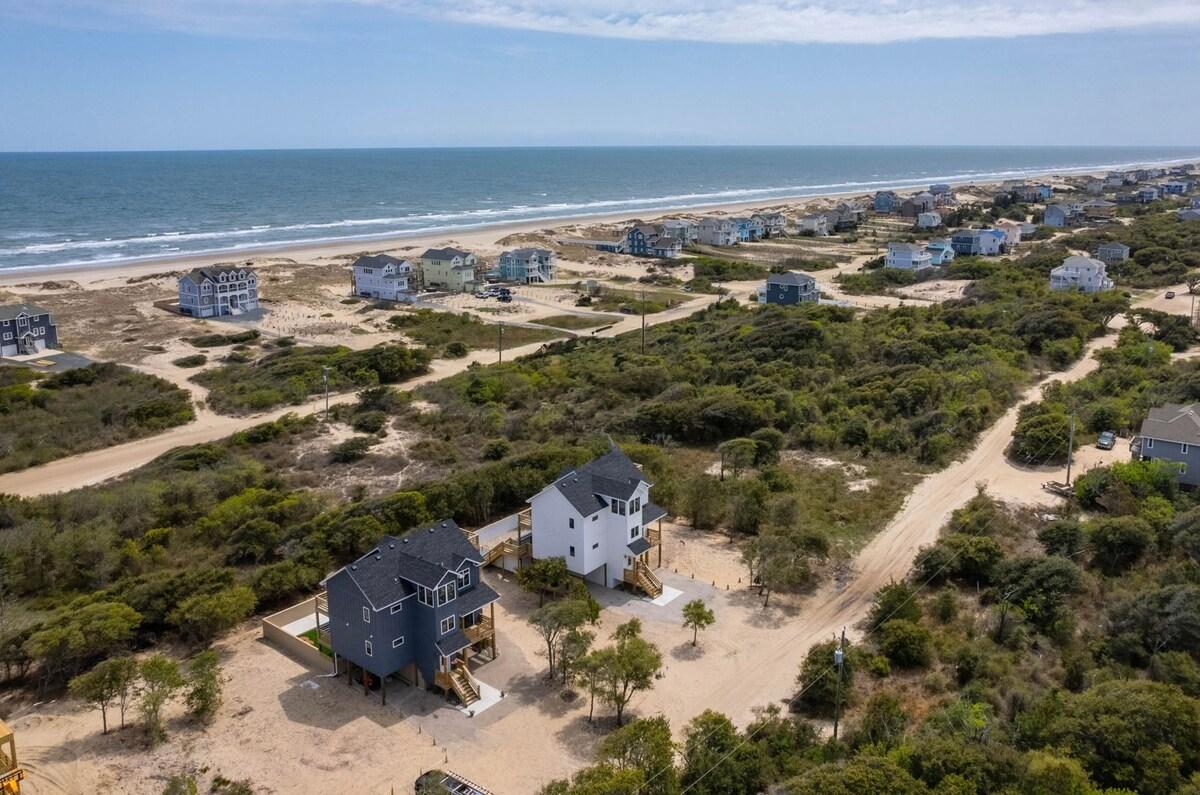
Sand tracks, scattered houses, and the open beach running north to the Virginia line. The houses sit three rows back from the water.
The other reason people come back
Nothing between you and the horizon
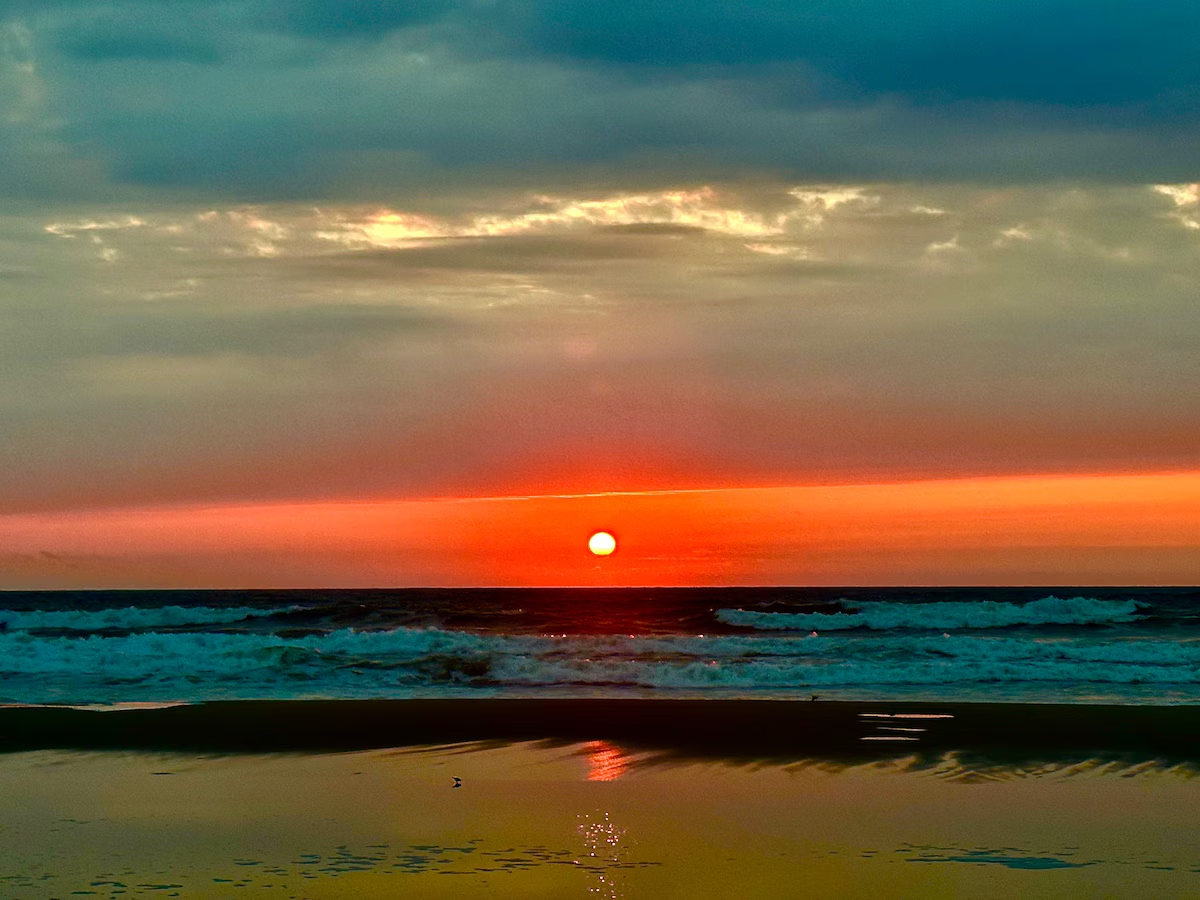
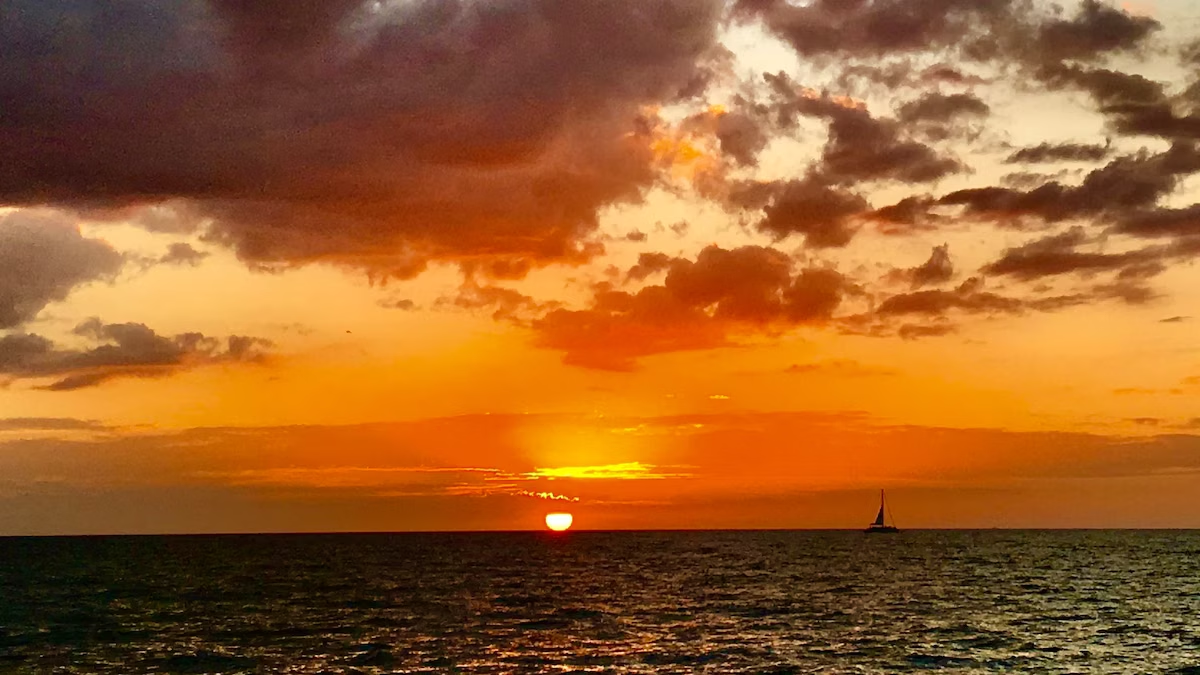
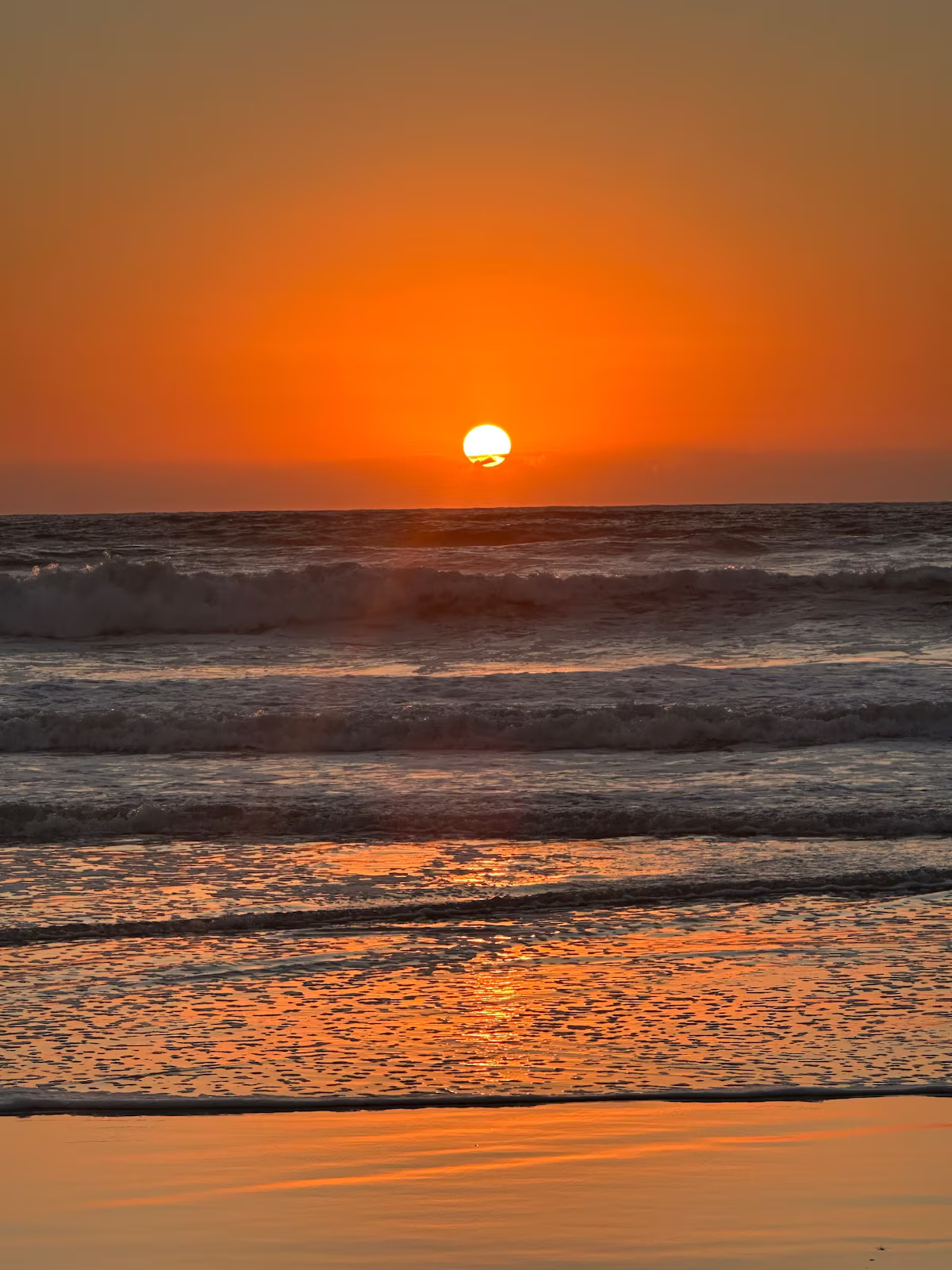
The strip runs almost due north, so you get the sunrise over the Atlantic and the sunset over the sound on the same evening walk.
Timing
When to come
Every season here has a case for it. This is the honest version.
Spring
March – May
Quiet and cheap, and the foals start appearing. The ocean is still cold, but the heated pool is not.
Summer
June – August
Peak season and the only time all three pools are open. Book well ahead for July, especially for the whole row.
Autumn
September – October
Our pick. Warm water, empty beach, and the best light of the year for photographing the herd.
Winter
November – February
Long weekends by the fire with the hot tub on. Almost nobody else is up here.
Pool seasons differ by house — one pool is heated and open year round, another runs 16 April to 15 October. Check the individual home before you book.
Come and meet the neighbours.
Three homes, Carova Beach. We will send you everything you need to know about the drive.
See the homes